Get Catch Basin Installation in St Louis, MO
Catch Basin Installation services for property owners in St. Louis, MO, help prevent flooding and drainage issues by installing or replacing basins in driveways, parking lots, and yards.
Property owners in St. Louis, MO, who are planning drainage improvements or managing outdoor maintenance often consider installing catch basins as a practical solution. Properly placed catch basins help direct excess water away from foundations, driveways, and landscaped areas, reducing the risk of flooding, erosion, and property damage. Exploring options for professional installation can ensure the work is done efficiently and effectively, supporting the long-term health and safety of a property.
When comparing local contractors for catch basin installation, it’s helpful to evaluate their experience working in the St. Louis area and their understanding of local drainage challenges. Connecting with qualified service providers can provide insights into the best approaches for your property’s specific needs. Continuing to read can help property owners identify trusted professionals who can handle the job with expertise and attention to detail.
- Catch Basin Installation - needed when drainage systems in residential neighborhoods like Kirkwood or Chesterfield require effective water management.
- Catch Basin Replacement - necessary if existing basins in areas such as South City or Forest Park become damaged or clogged.
- Catch Basin Repair - required when property owners in neighborhoods like Webster Groves or Ladue experience flooding or standing water issues.
- Catch Basin Maintenance - important for maintaining proper drainage in commercial or residential areas of St. Louis or nearby suburbs.
- Catch Basin Inspection - useful for assessing drainage system health after heavy storms or before property development projects.
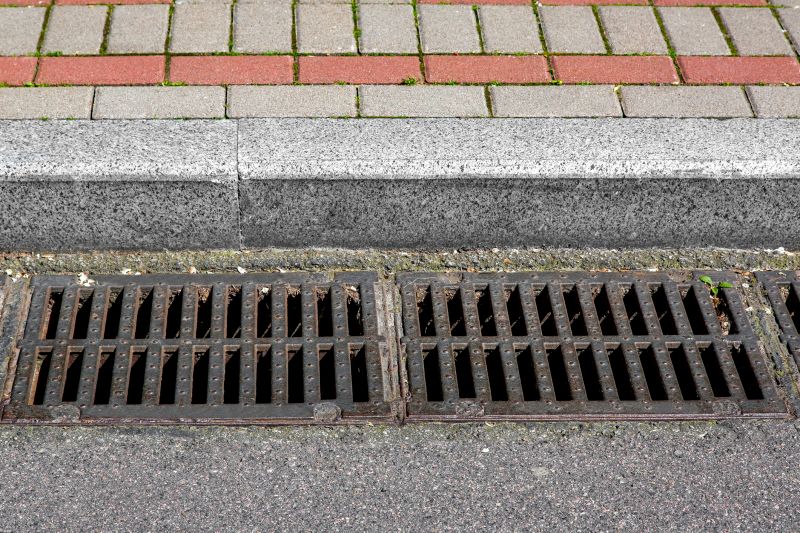
Catch basin installation services involve placing specialized drainage structures in strategic locations around a property to manage excess water flow. These basins are typically installed underground and connected to the property's existing drainage system or stormwater management setup. The process includes excavating the designated area, positioning the basin, and connecting it to underground piping to ensure effective water collection and diversion. Proper installation helps prevent water from pooling on driveways, lawns, or building foundations, reducing the risk of water damage and soil erosion.
This service is especially useful in resolving issues related to standing water, flooding, and poor drainage during heavy rainstorms. When water tends to collect in certain areas, it can lead to muddy patches, soil erosion, or even basement flooding in some properties. Catch basins help to quickly channel excess water away from problem spots, directing it to storm drains or other drainage systems. Installing these basins can be an important step in maintaining the integrity of a property's landscape and foundation, especially in areas prone to frequent or heavy rainfall.
Properties that often benefit from catch basin installation include residential homes with large yards, driveways, or walkways that experience water pooling. Commercial properties, such as parking lots or retail centers, frequently use catch basins to manage large volumes of runoff and prevent flooding that could disrupt operations. Additionally, properties with poor natural drainage or those situated on uneven terrain may find these systems essential for controlling water flow. Local contractors can assess specific property needs and recommend the appropriate size and placement of catch basins to ensure effective drainage.
Homeowners who notice persistent puddles, erosion, or water accumulating near their foundations may want to consider catch basin installation as a practical solution. This service can help protect property value by preventing water-related damage and maintaining a safe, dry environment. When drainage problems become a concern, reaching out to experienced service providers can ensure the installation is done correctly and efficiently. Local pros are equipped to evaluate property conditions, recommend suitable drainage solutions, and handle all aspects of the installation process.
The overview below groups typical Catch Basin Installation projects into broad ranges so you can see how smaller, mid-sized, and larger jobs often compare in St Louis, MO.
In many markets, a large share of routine jobs stays in the lower and middle ranges, while only a smaller percentage of projects moves into the highest bands when the work is more complex or site conditions are harder than average.
Smaller Repairs - Many routine catch basin repairs in the St Louis area typically range from $250-$600. These projects often involve fixing minor cracks or replacing a single basin component. Most jobs fall within this middle range, with fewer reaching the higher end for more extensive work.
Partial Replacement - Replacing a catch basin or installing new components usually costs between $600-$1,500. Larger, more complex projects can push costs higher, especially if additional landscaping or drainage adjustments are needed.
Full Installation - Complete catch basin system installations often range from $1,500-$3,500. These projects involve significant groundwork and may include multiple basins or extensive drainage system work, with costs varying based on property size and site conditions.
Larger, Complex Projects - Major drainage system overhauls or custom installations can exceed $5,000, depending on scope and site challenges. While less common, these projects are typically undertaken for large commercial or multi-property sites in the St Louis area.
Actual totals will depend on details like access to the work area, the scope of the project, and the materials selected, so use these as general starting points rather than exact figures.
Storm Drain Installation - this project involves installing drainage systems that require similar planning, excavation, and placement skills as catch basin installation.
Drainage System Repair - repairing existing drainage infrastructure involves understanding underground piping and water flow management, akin to catch basin work.
Landscape Grading and Drainage - shaping land to direct water runoff shares techniques with catch basin placement to prevent flooding and erosion.
Sump Pump Installation - installing sump pumps involves managing water flow and underground piping, similar to the skills used in catch basin projects.
Stormwater Management Solutions - designing and implementing systems to control stormwater runoff often requires comparable planning and excavation expertise.
French Drain Installation - installing French drains involves trenching and drainage planning, which are closely related to catch basin system installation.
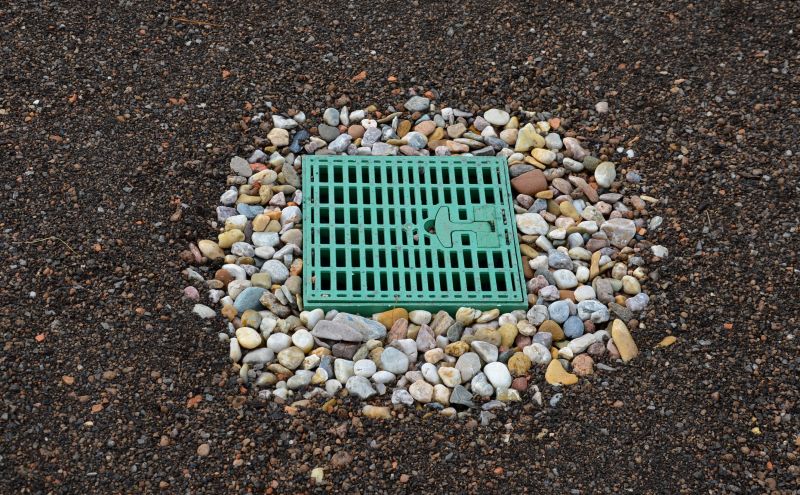
When comparing service providers for catch basin installation, it’s essential to consider their experience with similar projects within the local area. Homeowners should look for contractors who have a proven track record of completing catch basin work in neighborhoods like those around St. Louis, MO. An experienced contractor will understand the specific requirements of the local landscape and drainage needs, helping to ensure the installation is effective and durable. Asking for details about past projects can provide insight into their familiarity with the type of work needed and their ability to handle the unique challenges of the local environment.
Clear, written expectations are a key factor when evaluating potential contractors. Homeowners should seek detailed descriptions of the scope of work, including the materials used, the process involved, and any responsibilities on their part. Having this information in writing helps prevent misunderstandings and provides a reference point throughout the project. Reputable local contractors will be transparent about what the job entails, making it easier to compare options and choose a provider who aligns with the homeowner’s needs and preferences.
Effective communication and reputable references are vital when selecting a catch basin installation service provider. Homeowners are encouraged to ask for references or reviews from previous clients to gauge the quality of the contractor’s work and professionalism. Good communication practices, such as prompt responses and clear explanations, can also indicate a contractor’s reliability and willingness to work collaboratively. Remember, the site functions as an introduction to local options, connecting homeowners with experienced and trustworthy service providers capable of handling the work, rather than performing the installation itself.
Property owners in St Louis, MO use Catch Basin Installation services for practical projects around their homes and businesses. This guide focuses on everyday jobs and straightforward project options.
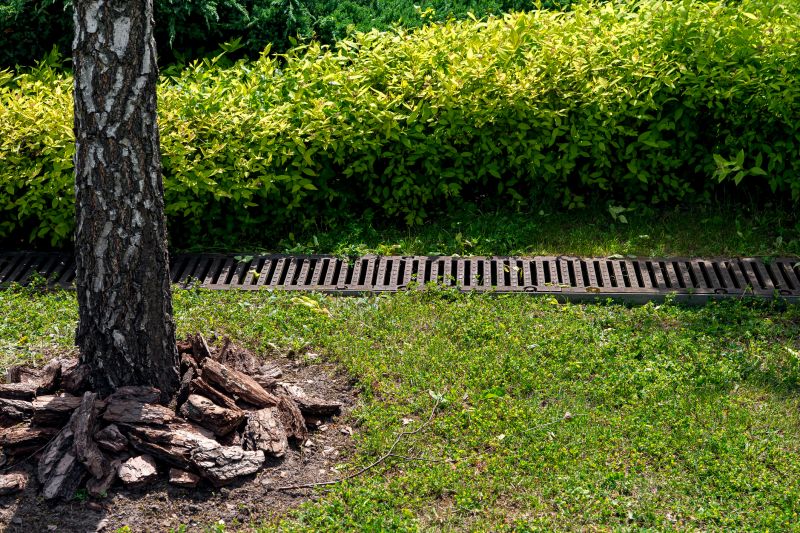
Catch basin installation services are often needed when property owners in St. Louis, MO, notice persistent pooling of water after heavy rains or during snowmelt. In many cases, existing drainage systems may become overwhelmed or clogged, leading to localized flooding or water damage around driveways, yards, or building foundations. Local contractors can assess these situations and install catch basins to effectively direct excess water away from critical areas, helping to prevent costly damage and maintain safe, dry outdoor spaces.
Additionally, property owners might seek catch basin installation when preparing for upcoming construction projects or landscape renovations that alter the natural flow of water on their property. Proper drainage solutions can be essential in managing runoff and avoiding erosion, especially in areas prone to heavy storms. Local service providers can tailor these systems to fit specific property needs, ensuring that rainwater is managed efficiently and that the property remains functional and safe during adverse weather conditions.
What is involved in catch basin installation? Catch basin installation typically includes excavating the area, placing the basin, connecting it to existing drainage systems, and backfilling the site. Local contractors can handle these steps to ensure proper drainage management.
Why might I need a catch basin installed? A catch basin can help prevent flooding and water accumulation around your property by directing runoff into a designated drainage system. Service providers can assess your site to determine if installation is beneficial.
How do I choose the right type of catch basin? The appropriate catch basin depends on factors like property size, drainage needs, and local regulations. Local service providers can recommend options suited to your specific situation.
What are common locations for catch basin installation? Catch basins are often installed in low-lying areas, driveways, parking lots, or near foundation walls to effectively manage surface water runoff. Contractors can identify optimal placement for your property.
Can catch basins be integrated with existing drainage systems? Yes, catch basins are designed to connect with existing stormwater or drainage systems to improve water flow and reduce pooling. Local pros can ensure proper integration during installation.
Prevent Water Pooling - Installing catch basins helps direct excess rainwater away from driveways and walkways to prevent pooling and flooding during heavy storms.
Protect Foundation Integrity - Proper catch basin placement can reduce water runoff near the foundation, minimizing potential damage and soil erosion.
Improve Drainage in Landscaping - Catch basins can be integrated into garden beds or yard areas to manage surface water and keep landscapes healthy.
Manage Stormwater Runoff - Local contractors can install catch basins to help control stormwater flow, reducing the risk of erosion and property damage.
If you are thinking about Catch Basin Installation for a property in St Louis, MO, this guide is meant to help you understand the work, the typical project types, and how different options might fit your plans.
When you are ready, you can use the quote form on this page to share a few details about your project. From there, local pros can review the basics and respond with options that match what you have in mind.